Suicide – What are some early signs of suicidal thoughts?
Gretchen Lawson: I’m so glad that you’re watching this video, especially if you’re feeling scared, you’re feeling some feelings of…

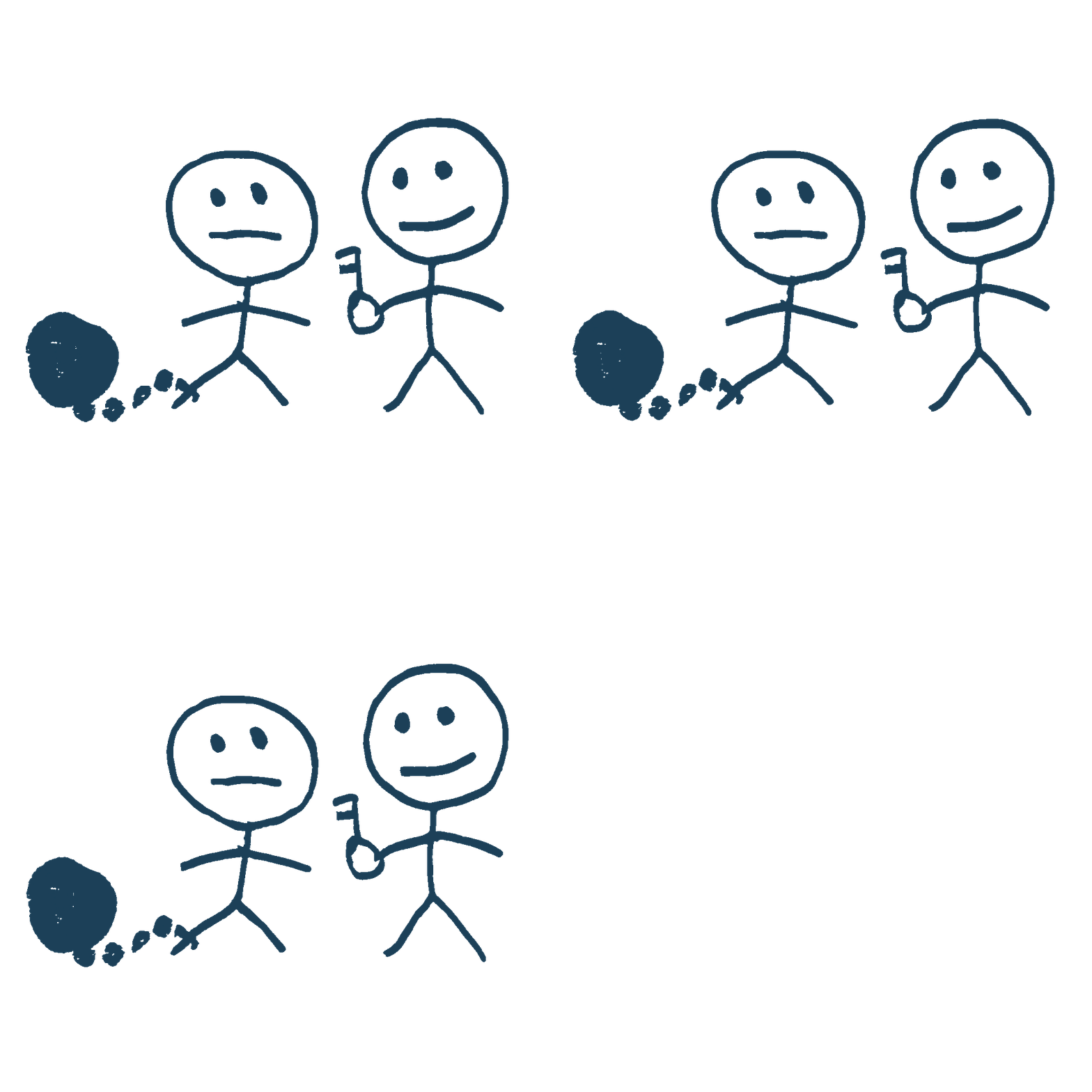
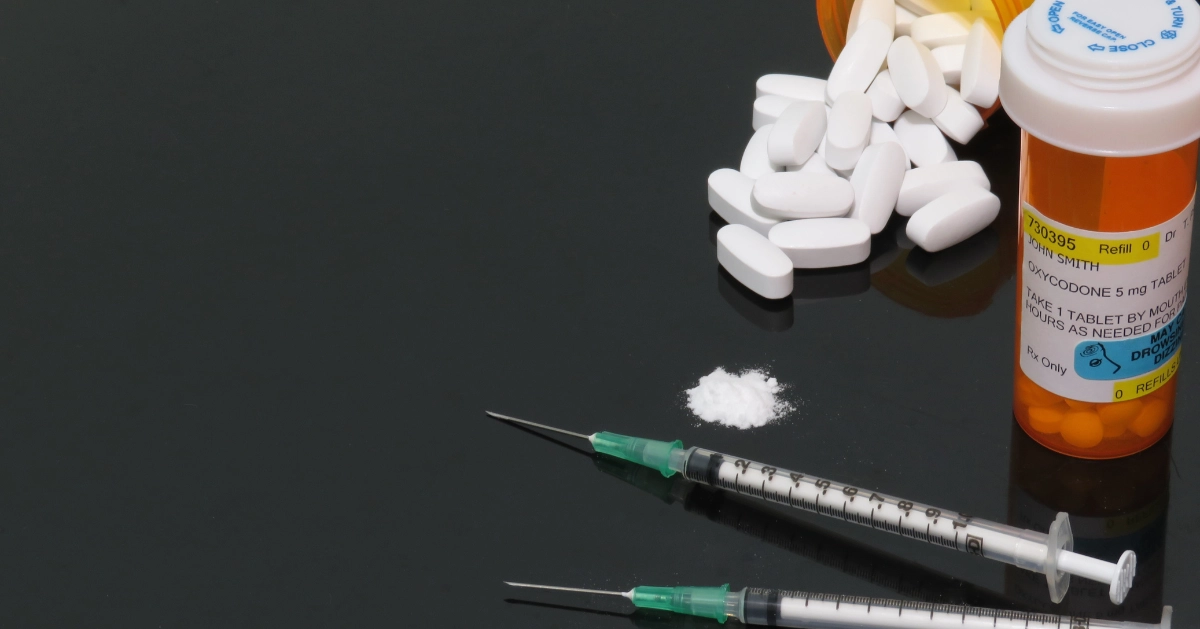
Substance abuse is rarely just about liking the substance. Underneath, it’s almost always tied to something deeper — stress, trauma, anxiety, depression, loneliness, pain you’re trying to escape or numb. The substance starts as a solution: it works, at least temporarily, which is exactly why it’s so hard to give up. You’re not using because you’re weak or bad; you’re using because it’s meeting a real need, even as it costs you.
There’s also a physical dimension. Substances change brain chemistry, hijacking the reward system and, with many substances, creating physical dependence — so the brain and body start to crave and even need the substance. This is why “just stopping” through willpower alone so often fails, and why that failure is not a moral verdict on you. Real recovery usually means addressing the pain underneath, getting support, and sometimes medical help. And it works — people recover and build full, free lives every single day.

If substances have a grip on you, please know you’re not alone and you’re not beyond help — millions of people have stood where you are and found their way to freedom. Recovery rarely happens in isolation, though. Reaching out — to a counselor, a recovery program, a trusted person, or a Hope Coach — is the courageous first step, and there’s zero judgment here. If you may be physically dependent, please involve a medical professional, as stopping some substances suddenly can be dangerous.
There’s a hope at the center of recovery that goes beyond just quitting: “If anyone is in Christ, the new creation has come: The old has gone, the new is here!” (2 Corinthians 5:17). You are not defined by your worst days or doomed to repeat them. Real, fresh-start change is possible — and for countless people in recovery, faith has been the source of a power beyond their own willpower, a community to lean on, and a hope worth getting sober for. You don’t have to clean yourself up first to reach toward that. Come as you are.
Freedom is possible, and you don’t have to find it alone. Reaching out today is a strong, hopeful step.
These are some of the most common questions people have about substance abuse. If you have more questions, please feel free to reach out to a Hope Coach.