What is
self-care
really?
Self-care has become a buzzword, often reduced to bubble baths and shopping. But real self-care is bigger and less glamorous than that: it’s the ongoing practice of tending to your physical, emotional, mental, and spiritual health so you don’t run yourself into the ground. It’s sleep, movement, honest rest, healthy boundaries, connection, processing your emotions, and giving yourself the same care you’d give someone you love.
And here’s what it’s not: it’s not selfishness, laziness, or self-indulgence. You cannot pour from an empty cup. When you’re depleted, you have less to give to your work, your relationships, and the things you care about — not more. Taking care of yourself isn’t taking away from others; it’s what makes you able to keep showing up for them. If you feel guilty about resting, that guilt is worth questioning.
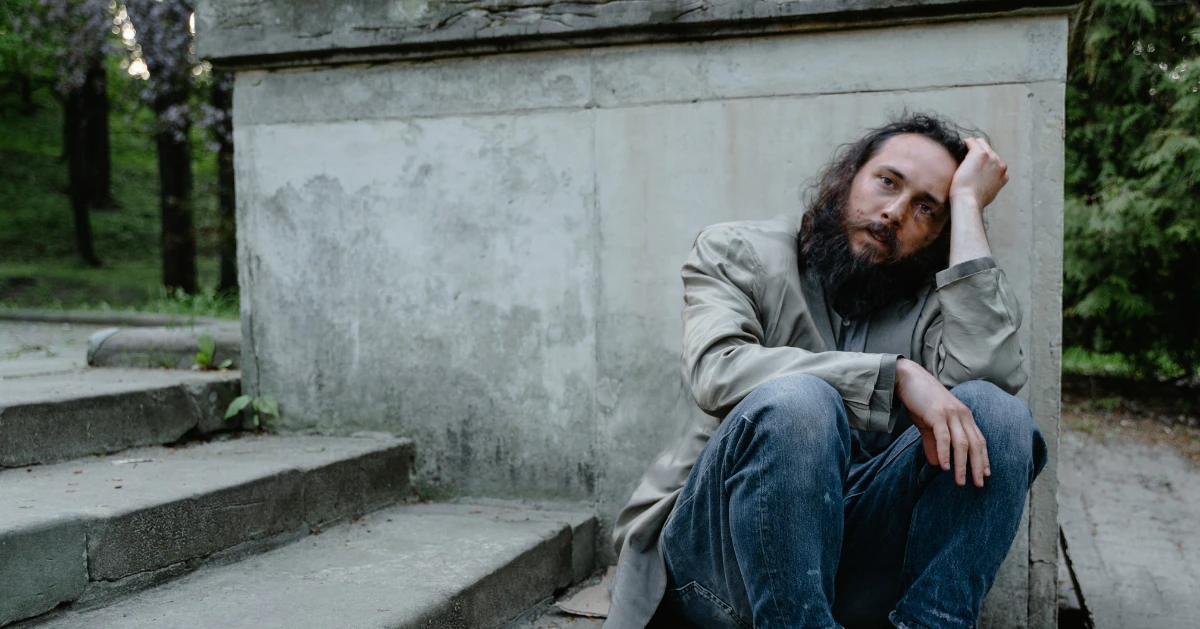
What does running on empty feel like?
Neglecting self-care catches up with you. You might notice:
Constant exhaustion that rest doesn’t seem to fix
Irritability, anxiety, or feeling emotionally fried
Feeling resentful, overwhelmed, or like you have nothing left to give
Numbing out with screens, food, or distraction instead of real rest
Guilt whenever you try to slow down or do something for yourself
Losing touch with what you actually enjoy or need
If this is you, it’s not a sign you’re failing — it’s a sign you’ve been carrying a lot without refilling. That’s fixable, and you’re allowed to start.
Why do we neglect self-care?
We skip self-care for all kinds of reasons. Our culture glorifies busyness and treats rest as laziness, so slowing down can feel like falling behind. Many people feel they have to earn rest, or that everyone else’s needs come before their own. Some never learned that their own wellbeing matters, especially if they grew up having to take care of others.
There’s also often guilt tangled up in it — a sense that caring for yourself is selfish, indulgent, or somehow wrong. But that belief gets it backwards. Neglecting yourself doesn’t make you more loving or productive; it just burns you out, which serves no one. Healthy self-care is actually an act of stewardship — taking care of the one life and body you’ve been given so you can live and love well over the long haul. Understanding that can free you from the guilt and let you start treating yourself with care.
Want to talk it through?
A Hope Coach is here right now - free, 24/7, no judgment
You're not alone in this
If you’re burned out or struggling to care for yourself, you don’t have to figure it out alone. Talking with a counselor or a Hope Coach can help you understand what’s draining you, work through the guilt around rest, and build sustainable rhythms that actually restore you — not just numb you.
It might surprise you that rest is woven right into the heart of faith. Jesus himself, in the middle of demanding work, told his followers, “Come with me by yourselves to a quiet place and get some rest” (Mark 6:31). Rest isn’t a failure or an indulgence — it’s part of how we’re designed to live, and even God modeled it. For many people, faith reframes self-care entirely: not as selfishness, but as honoring the life and body God gave them, and trusting that they don’t have to earn their worth by never stopping. You’re welcome to receive that kind of permission to rest.
You’re allowed to take care of yourself. Reach out anytime — we’re here for you.