What is
the issue
with pornography, really?
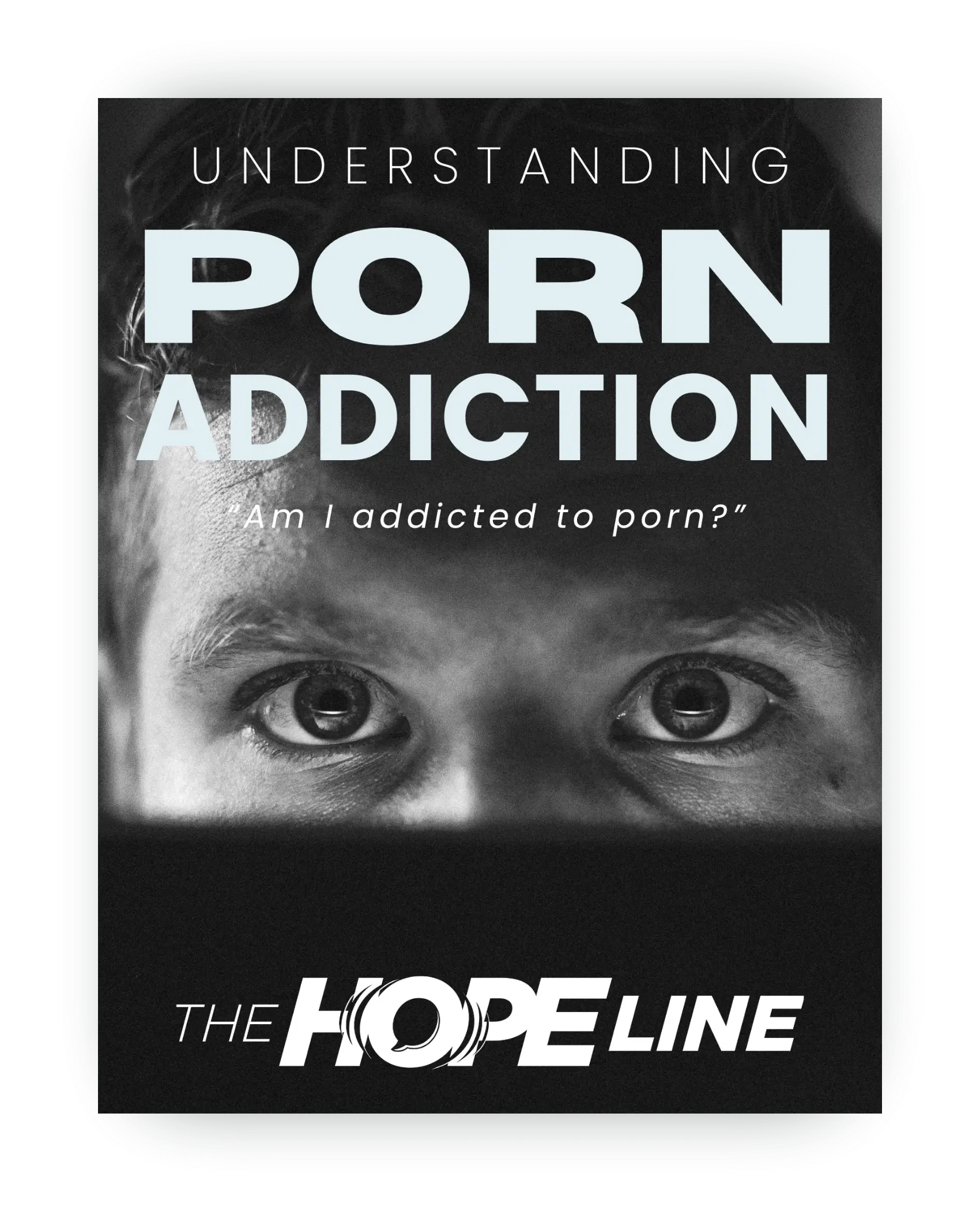
Pornography is so normalized that questioning it can feel old-fashioned — but a growing pile of honest experience and research tells a different story. Porn isn’t harmless entertainment. It rewires how the brain experiences desire and reward, shapes unrealistic and often degrading views of sex and people, and — for a great many users — becomes compulsive in ways that genuinely interfere with life and relationships.
If you’re here wondering whether porn is really a problem, or because you’re trying to stop and can’t, you’re asking good and brave questions. This isn’t about shaming you — it’s about being honest. At its core, porn trains you to see people as objects for consumption and to seek a counterfeit, isolated version of intimacy. Most people who break free describe it not as losing something good, but as gaining their freedom back.
What does the struggle feel like?
The experience around pornography often follows a draining, secret cycle. You might recognize:
Using it to escape stress, loneliness, boredom, or pain
Needing more, or more extreme, content to feel the same effect
A cycle of viewing, then shame, then viewing again
Hiding it carefully from people you love
Feeling like it’s become compulsive — something you can’t just stop
Numbness or dissatisfaction with real intimacy and connection
If this is your experience, please know you’re not uniquely broken, and you’re not beyond help. This is one of the most common hidden struggles there is — and freedom is genuinely possible.
Why is it so hard to stop?
Porn is hard to quit because it hooks the brain’s reward system much like other addictions — each use delivers a powerful chemical hit, and over time the brain craves more, building a compulsive loop that willpower alone struggles to break. On top of that, it’s endlessly available, free, and private, with none of the natural friction that limits other habits.
Underneath the brain chemistry, porn usually serves a purpose too — numbing pain, escaping stress, soothing loneliness, or filling an emptiness. That’s why “just stop looking at it” rarely works for long: the habit is meeting a real need. Lasting freedom comes from addressing what you’re reaching for it to soothe, breaking the secrecy, healing the shame, and getting real support. That’s a very different path than white-knuckled willpower — and it’s one that actually works.
Want to talk it through?
A Hope Coach is here right now - free, 24/7, no judgment
You're not alone in this
If porn has a grip on you, the most powerful thing you can do is bring it into the light — because secrecy and shame are what keep it alive. You don’t have to keep fighting this alone or pretending it isn’t happening. A Hope Coach is here to talk with zero judgment, and a trusted mentor, accountability partner, or counselor can help you find lasting freedom.
Here’s a promise that has carried many people through this exact fight: “No temptation has overtaken you except what is common to mankind. And God is faithful; he will not let you be tempted beyond what you can bear. But when you are tempted, he will also provide a way out” (1 Corinthians 10:13). You are not uniquely broken, and you are not without a way out. God isn’t standing over you in disgust; he meets you with grace and offers a freedom deeper than mere behavior change. For countless people, that grace — not self-hatred — is exactly what finally broke the cycle. You’re welcome to start right where you are.
There’s no shame here, and there is real hope and real freedom. Reach out whenever you’re ready.