What is
physical abuse
really?
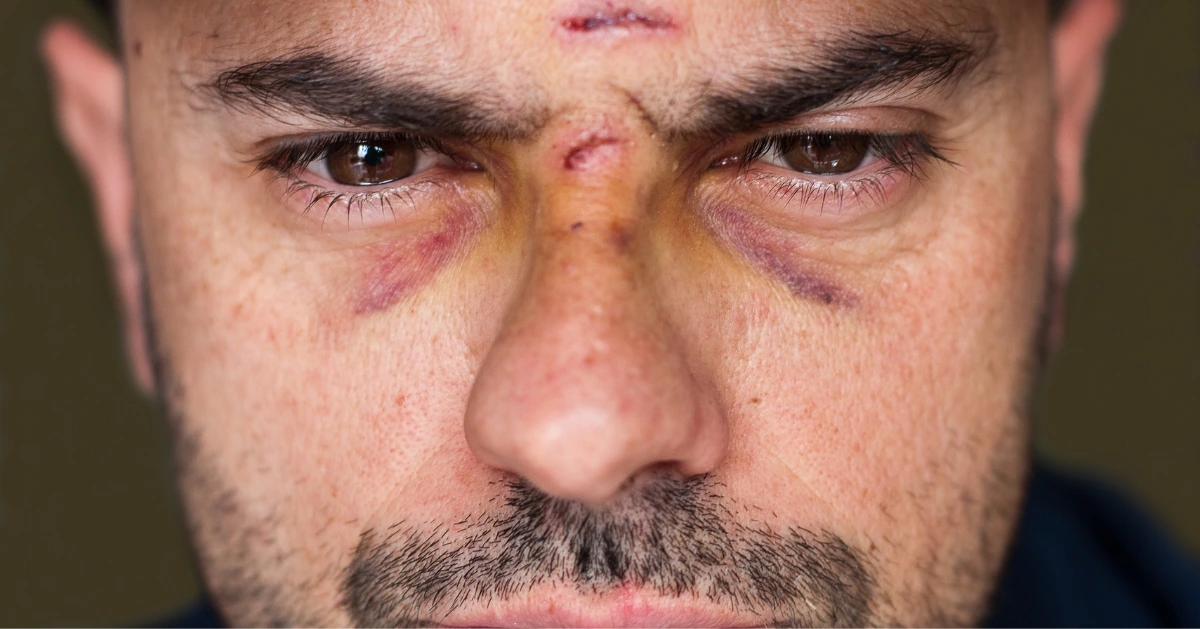
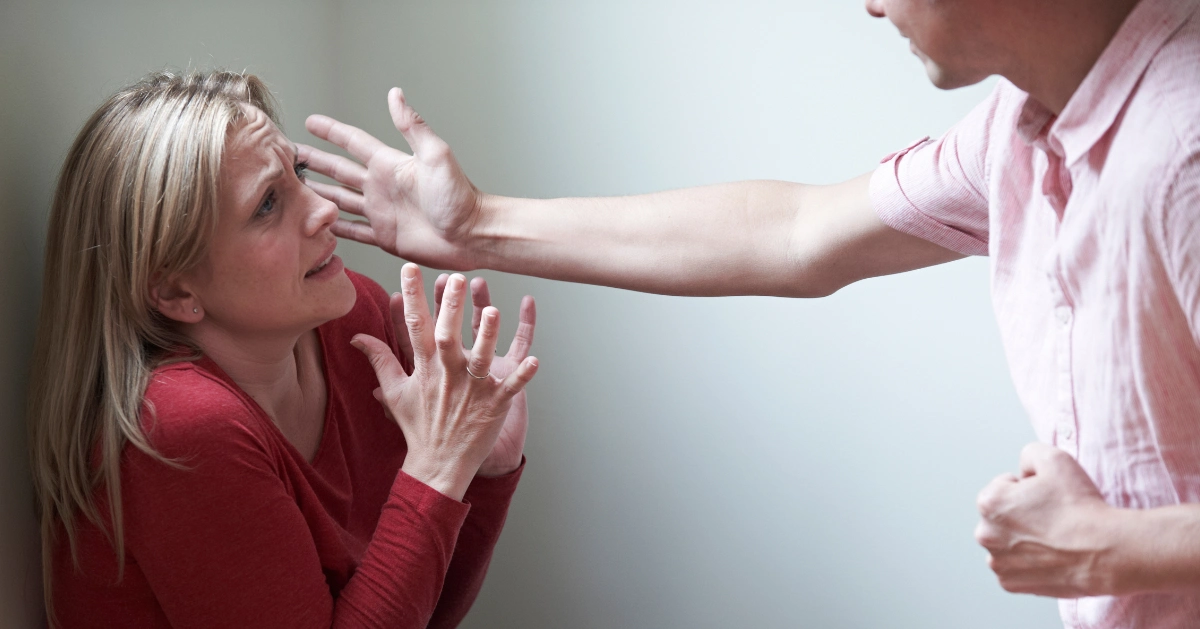
Physical abuse is any intentional use of force that hurts or endangers you — hitting, slapping, pushing, grabbing, choking, throwing things, or any physical harm or threat of it. It can happen in any relationship: from a partner, a parent, a family member, or anyone with power over you. And it’s never acceptable, never deserved, and never your fault.
Sometimes people minimize physical abuse — “it only happened once,” “they were stressed,” “I provoked them.” Please hear this clearly: there is no excuse that makes it okay for someone to physically hurt you. Even one incident is serious. And physical abuse often escalates over time, which is exactly why reaching out for help early matters so much. Your body and your safety are worth protecting.
What are the signs?
If you’re trying to figure out whether what’s happening to you is abuse, these signs are worth taking seriously:
Being hit, pushed, grabbed, choked, restrained, or otherwise physically hurt
Being threatened with physical harm, or with weapons or objects
Living in fear of someone’s temper or physical reactions
A pattern where the abuse follows tension and is followed by apologies
Being physically prevented from leaving or getting help
Feeling like the violence is somehow your fault
If you recognize any of these, please reach out to someone you trust, a domestic violence hotline, or emergency services if you’re in immediate danger. You deserve to be safe.
Why does physical abuse happen?
Physical abuse is fundamentally about power and control — one person using force to dominate another. Abusers may come from their own histories of violence, carry deep insecurity, or have learned that intimidation gets them what they want. But none of those reasons make it your responsibility or your fault. The choice to be violent belongs entirely to the abuser.
Abuse often follows a cycle: rising tension, an incident of violence, then a “honeymoon” phase of apologies, promises, and affection — which makes it terribly confusing and hard to leave. You may genuinely love the person, or believe they’ll change, or fear what happens if you go. Those feelings are real and understandable. But abuse rarely stops on its own, and “if I just love them better” almost never works. Getting safe and supported isn’t a betrayal of the relationship — it’s protecting a life that matters: yours.
Want to talk it through?
A Hope Coach is here right now - free, 24/7, no judgment
You're not alone in this
If you’re being physically hurt, please know your safety comes first, and you don’t have to face this alone. You can reach out to a trusted person, a domestic violence hotline, or emergency services. A Hope Coach can listen without judgment and help you think through next steps. You don’t need to have a whole plan — the next step can simply be telling one safe person. If you’re in immediate danger, please contact emergency services right away.
And if part of you feels alone or unprotected in this, hear this truth: God is “our refuge and strength, an ever-present help in trouble” (Psalm 46:1). He is not on the side of the person hurting you — his heart breaks over it, and he is fiercely for your safety and your worth. Faith never requires you to stay in danger or call abuse love. You are precious, and your life matters deeply. You’re welcome to lean on him, and on the people ready to help you.
You deserve to be safe. Please reach out — help is real, and it’s here for you.