SEX

Is masturbation wrong?

This is something almost no one talks about openly, which leaves a lot of people stuck in shame and confusion. Let’s have an honest conversation — no lectures.
THE BASICS

What is this struggle really?

Masturbation is something a lot of people wrestle with privately — and the silence around it tends to make the struggle heavier than it needs to be. For many, the question isn’t just “is this wrong?” but also “why can’t I stop?” or “why do I feel so much shame around this?” If you’re carrying any of that, you’re far from alone, and you’re not uniquely broken.

When it comes to masturbation, the deeper issue usually isn’t a single act so much as what surrounds it: the lust, fantasy, or pornography it’s often tied to, the way it can become a compulsive escape, and the shame cycle that keeps people stuck. Our heart isn’t to pile on guilt — it’s to help you find freedom, wholeness, and a healthy view of your sexuality as something good that God designed.
What does it feel like when you're struggling?
For many people, the experience around masturbation follows a familiar, painful cycle. You might recognize:
A pull toward it as a way to cope with stress, loneliness, or boredom
Reliance on fantasy or pornography that leaves you feeling emptier afterward
A cycle of acting out, then feeling shame, then doing it again
Secrecy and a fear of anyone finding out
Feeling like it’s gotten compulsive — something you can’t easily stop
Confusion about what’s healthy and what’s harmful
If this is your experience, please know shame won’t set you free — but honesty and grace can. There’s a healthier way to relate to your body and your desires, and it’s within reach.
Why does this happen?
Sexual desire is a normal, God-given part of being human — it’s not the enemy, and it’s not something to be ashamed of in itself. The struggle usually arises when that desire gets channeled in ways that leave you feeling worse, or when masturbation becomes a go-to coping mechanism for emotions you don’t know what else to do with: stress, loneliness, anxiety, or pain. Like other habits, it can offer quick relief while quietly reinforcing a cycle.

Often it’s tangled up with lust and pornography, which train the brain to seek a private, fantasy-based outlet rather than real connection. Understanding this helps, because it shifts the goal from “just stop” (which usually fuels more shame) to something deeper: addressing what you’re really reaching for, healing the shame, and learning to steward your sexuality in a way that leads to wholeness rather than emptiness. That’s freedom — and it’s very different from white-knuckled willpower.
Want to talk it through?
A Hope Coach is here right now - free, 24/7, no judgment
You're not alone in this

If this is your struggle, the worst thing you can do is carry it in secret and shame — and the best thing you can do is bring it into the light with someone safe. The secrecy is what gives it power. A Hope Coach is here to talk with you about this with zero judgment, and a trusted mentor or counselor can help you find lasting freedom.

Here’s the truth that changes everything: God is not standing over you with disgust. His grace is real and sufficient — “My grace is sufficient for you, for my power is made perfect in weakness” (2 Corinthians 12:9). He meets us precisely in our weakness, not after we’ve fixed ourselves. For many people, real change in this area didn’t come from trying harder or hating themselves more, but from finally believing they were loved and accepted as they are — and letting that love, rather than shame, lead them toward freedom and a healthy view of their sexuality. You’re welcome to start exactly where you are.

There’s no shame here, and there is real hope. Reach out whenever you’re ready — we’d be glad to talk.


FAQ

Frequently asked questions

These are some of the most common questions people have about masturbation. If you have more questions, please feel free to reach out to a Hope Coach.

Is masturbation a sin?
Christians hold a range of views, and the Bible doesn’t address masturbation by name. The more important concern — one shared widely among pastors, counselors, and thoughtful believers — is less about a single act and more about what so often surrounds it: lust, fantasy, pornography, and compulsive escape, along with the shame cycle that traps people. So the most helpful question usually isn’t a simple yes-or-no, but whether this is drawing you toward freedom and wholeness or away from it. A Hope Coach can talk it through with you personally.
Is masturbation a sin even if I don’t watch porn while I do it?
It’s a fair and common question. Without porn in the picture, one of the most harmful elements is removed — and that matters. But the issue rarely ends with the screen. Masturbation is almost always driven by lustful fantasy, and Jesus made clear that lust isn’t only about actions but about what we entertain in the heart and mind. So even “on its own,” it’s worth asking honestly: where is your mind going, and what is this habit really doing in you? For many people it still functions as a way to escape stress, loneliness, or pain, and it can quietly become compulsive. None of this is meant to heap on shame — it’s meant to point toward real freedom and a healthy view of your sexuality. If you’re wrestling with this, a Hope Coach would be glad to talk and pray it through with you, with zero judgment.
Why do I feel so much shame about it?
Shame thrives in secrecy, and because almost no one talks about this openly, people often carry it alone and assume they’re uniquely broken. They’re not. Shame doesn’t lead to freedom — it usually fuels the cycle. Bringing the struggle into the light with grace, rather than condemnation, is what actually helps.
How do I stop if it’s become a habit I can’t control?
If it feels compulsive, the path isn’t just willpower — it’s addressing what you’re really reaching for (stress, loneliness, escape), healing the shame, and often dealing with related lust or pornography. Bringing it out of secrecy with a safe person and getting support makes a huge difference. Freedom is possible, and it’s gentler than self-hatred.
Is sexual desire itself wrong?
No. Sexual desire is a normal, God-given part of being human — not something to be ashamed of in itself. The struggle is about how that desire gets channeled, not the existence of it. Part of healing is learning to see your sexuality as something good that God designed, rather than something dirty.
Does God still love me if I struggle with this?
Completely. God doesn’t stand over you in disgust — his grace is sufficient and he meets you in your weakness, not after you’ve fixed yourself. For many people, finally believing they’re loved as they are is exactly what frees them to change. A Hope Coach would be glad to talk and, if you’d like, pray with you — no judgment.

Take this with you.

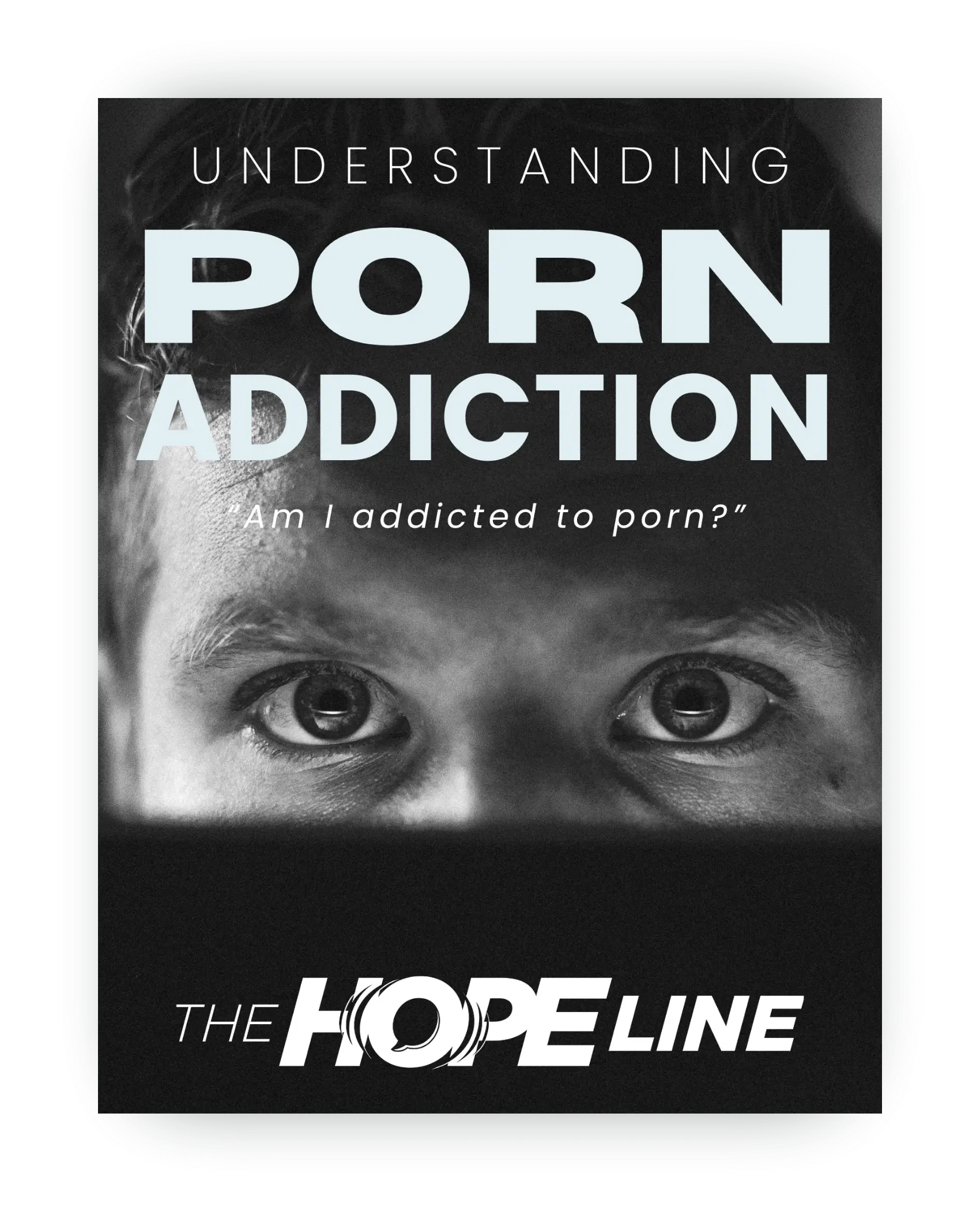
If pornography or shame around sexuality has a grip on you, this honest, grace-filled free guide is a great place to start the journey toward freedom.
RESOURCES FOR YOU

More to explore

Helpful articles, resources, guides, and related topics.

Tired of The Problem?

Try the Solution.

Privacy Policy / Terms of Use
© 2026 TheHopeLine, Inc. Registered 501(c)(3). EIN: 20-1198064