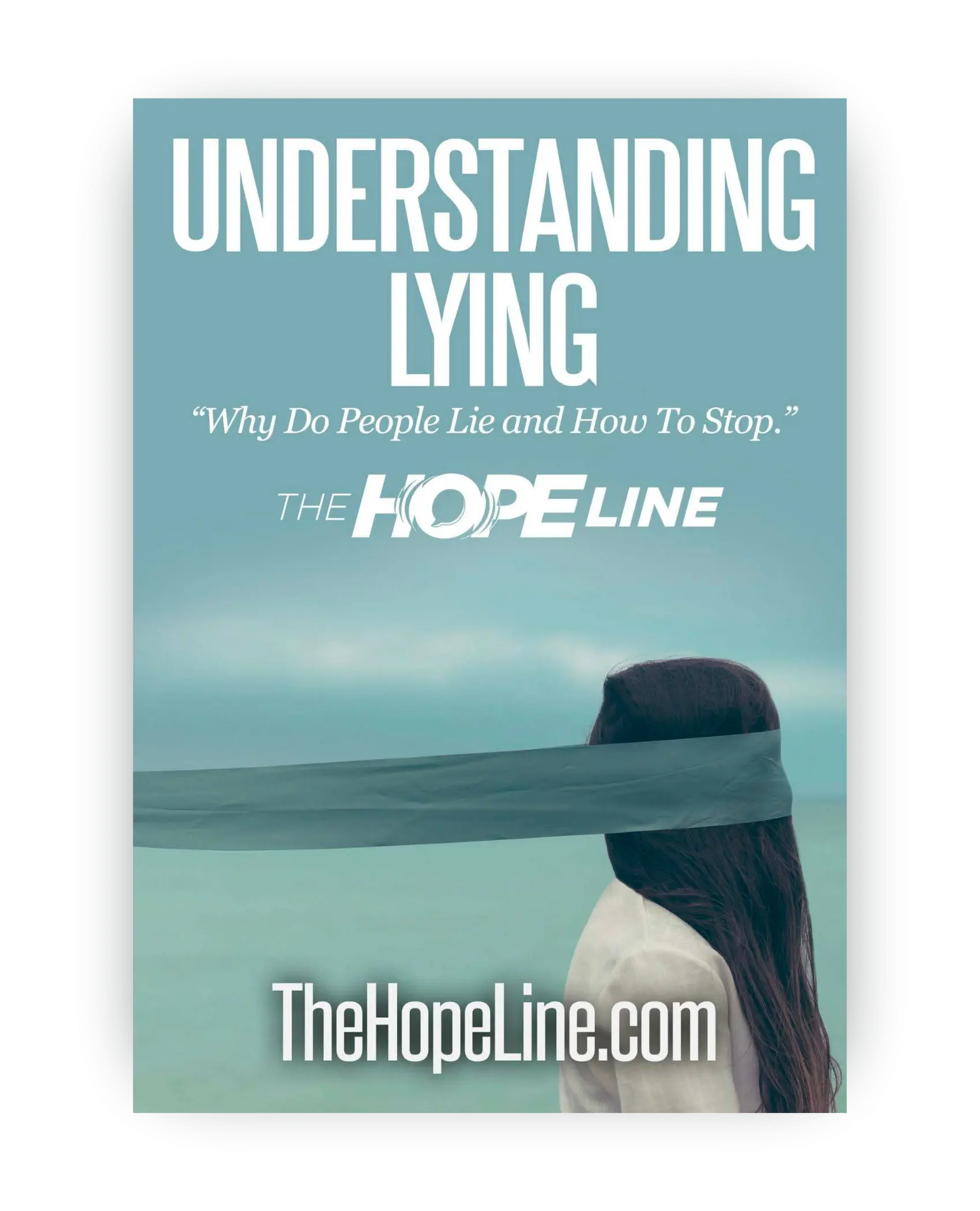
What is
lying
really?
Lying is saying or implying something untrue to create a false impression — to protect ourselves, get something we want, avoid consequences, or manage how others see us. Almost everyone has done it. But when lying becomes a habit or a pattern, it stops being an occasional bad choice and starts to corrode the things that matter most: trust, relationships, and your own sense of integrity.
If you’re here because you keep lying and can’t seem to stop, that’s worth taking seriously — not with shame, but with honesty. And if you’re here because someone keeps lying to you, the confusion and hurt you feel are valid. Dishonesty damages relationships from both sides, and untangling it usually means looking underneath the lies to what’s really driving them.
What does a pattern of lying feel like?
Whether you’re the one lying or the one being lied to, dishonesty takes a toll. If you struggle with lying, you might notice:
Lying automatically, even about things that don’t matter
A constant low-grade anxiety about being ‘found out’
Lies that pile up until you can’t keep them straight
Feeling like the ‘real you’ isn’t good enough, so you embellish or hide
Shame after lying, but doing it again anyway
Relationships that feel distant because no one knows the real you
And if you’re being lied to: a gnawing gut feeling, broken trust, and self-doubt about what’s real. Both experiences are heavy, and both can change.
Why does lying happen?
Lying almost always comes from fear or pain underneath. People lie to avoid punishment, to escape shame, to feel accepted, to protect a fragile self-image, or because they learned growing up that honesty wasn’t safe. Compulsive lying — where it becomes automatic, even pointless — often points to deeper issues like low self-worth, anxiety, or a past where lying was a survival skill.
Understanding this matters because “just stop lying” rarely works on its own. If lying is protecting you from shame or rejection, you have to address that underlying fear before the behavior can really change. The good news is that it can change. People do break the habit, rebuild trust, and learn that being honest — even when it’s hard — is far less exhausting than maintaining a web of lies. Honesty, it turns out, is its own kind of freedom.
Want to talk it through?
A Hope Coach is here right now - free, 24/7, no judgment
You're not alone in this
Whether you’re trying to break free from lying or trying to heal from being deceived, you don’t have to sort it out alone. Talking honestly with a counselor or a Hope Coach can help you get to what’s underneath — the fear, the shame, the broken trust — and find a healthier way forward.
There’s a freeing invitation in this: “Each of you must put off falsehood and speak truthfully” (Ephesians 4:25) — not as a guilt trip, but as a doorway out of the exhausting work of hiding. The God of the Bible already knows the full truth about you and loves you anyway, which means you don’t have to perform or pretend to be accepted. For many people, that’s exactly what makes honesty possible — realizing they don’t have to lie to be loved. You’re welcome to come as you really are, no masks required.
Honesty really is lighter to carry than lies. Reach out — we’re here, no judgment.