What is
lust
really?
Lust is intense desire — usually sexual — that treats another person as something to be used rather than someone to be loved. It zeroes in on what you can get from someone (a body, a feeling, a fantasy) instead of who they actually are. That’s the key difference between lust and love: love wants what’s good for the other person, even at a cost to you; lust wants the other person for what they can do for you.
It’s worth being clear about what lust is not. Being attracted to someone isn’t lust — attraction is a normal, God-given part of being human, and noticing that someone is beautiful isn’t a moral failure. Lust is what happens when that spark gets fed and steered toward using a person, in your mind or your actions. The line isn’t “did I feel something,” it’s “what did I do with it.” That distinction matters, because a lot of people carry shame over feelings that were never the problem in the first place.
What does lust feel like?
Lust can be exciting in the moment, which is part of what makes it tricky. But over time it tends to leave a particular residue — and you might recognize some of it:
A pull to view people (in person or on a screen) as bodies rather than whole human beings
Fantasies or habits you keep returning to, then feel hollow or ashamed about afterward
Relationships that feel intense fast but stay shallow underneath
Confusing the rush of desire with actually loving or being loved
Hiding certain searches, messages, or thoughts from people you trust
A nagging sense that something that’s “supposed to” feel good keeps leaving you emptier
That emptiness isn’t there to condemn you — it’s information. It’s pointing to the fact that you were made for something deeper than what lust can deliver.
Why does lust happen?
Lust isn’t a sign that you’re a bad or broken person. It’s an extremely human pull, and there are real reasons it gets a grip.
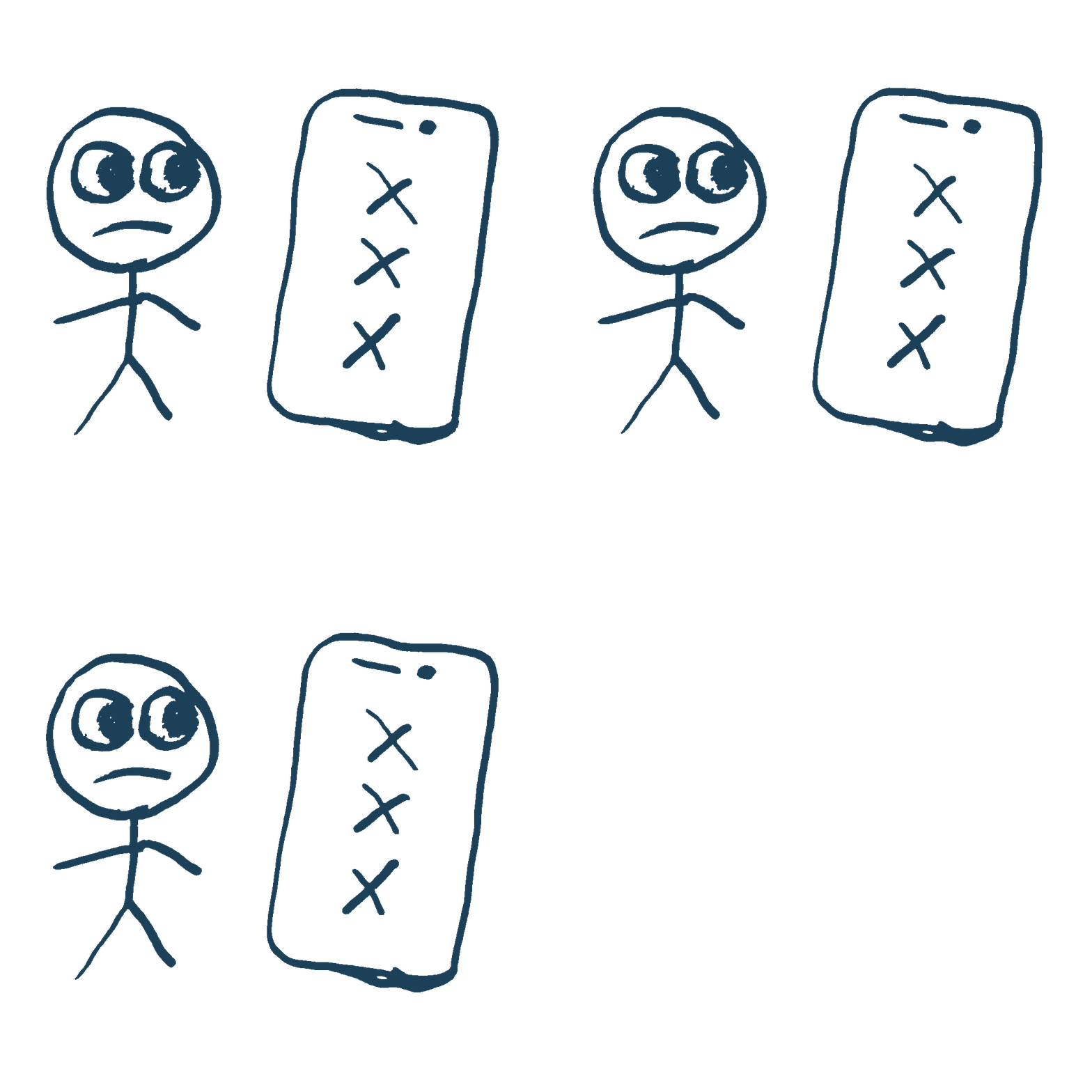
Part of it is simply being wired with strong desires — that’s normal. But culture pours fuel on it: we’re surrounded by images and messages, often just a tap away, that train us to see people as products and sex as a transaction. For many people, lust also becomes a coping mechanism — a way to numb stress, loneliness, boredom, or pain, the same way someone else might reach for food or a screen. And sometimes it’s rooted in older wounds, like not feeling wanted, or past experiences that tangled up love and sex early on.
Understanding the why isn’t about excusing it — it’s about getting free. You can’t fight what you won’t name. And once you see what lust is actually promising you (connection, comfort, worth) and how it keeps under-delivering, you can start chasing the real thing instead.
Want to talk it through?
A Hope Coach is here right now - free, 24/7, no judgment
You're not alone
If you’ve struggled with this, here’s something you need to hear: you are far from the only one, and you are not beyond help. This is one of the most common struggles there is — and one of the most hidden, which is exactly why it feels so isolating. The secrecy is part of what gives it power. Bringing it into the light, with someone safe, is often the first thing that starts to break the cycle.
You don’t have to clean yourself up before you reach out. Here’s the truth at the heart of everything: God isn’t shocked by what you’re carrying, and he doesn’t deal in shame. Jesus took both sin and the human heart seriously — and he met the people everyone else wrote off with startling grace, not condemnation: “Neither do I condemn you… go now and leave your life of sin” (John 8:11). The gospel isn’t “do better and then you’ll be acceptable.” It’s that you’re already fully known and still fully loved, and that real freedom — the kind that goes deeper than just white-knuckling your behavior — is possible. Plenty of people have walked out of patterns they thought would own them forever. You can too, and you don’t have to do it alone.
Whatever your “one thing” is, you can talk about it here — free, confidential, and without judgment.