What is
fear
really?
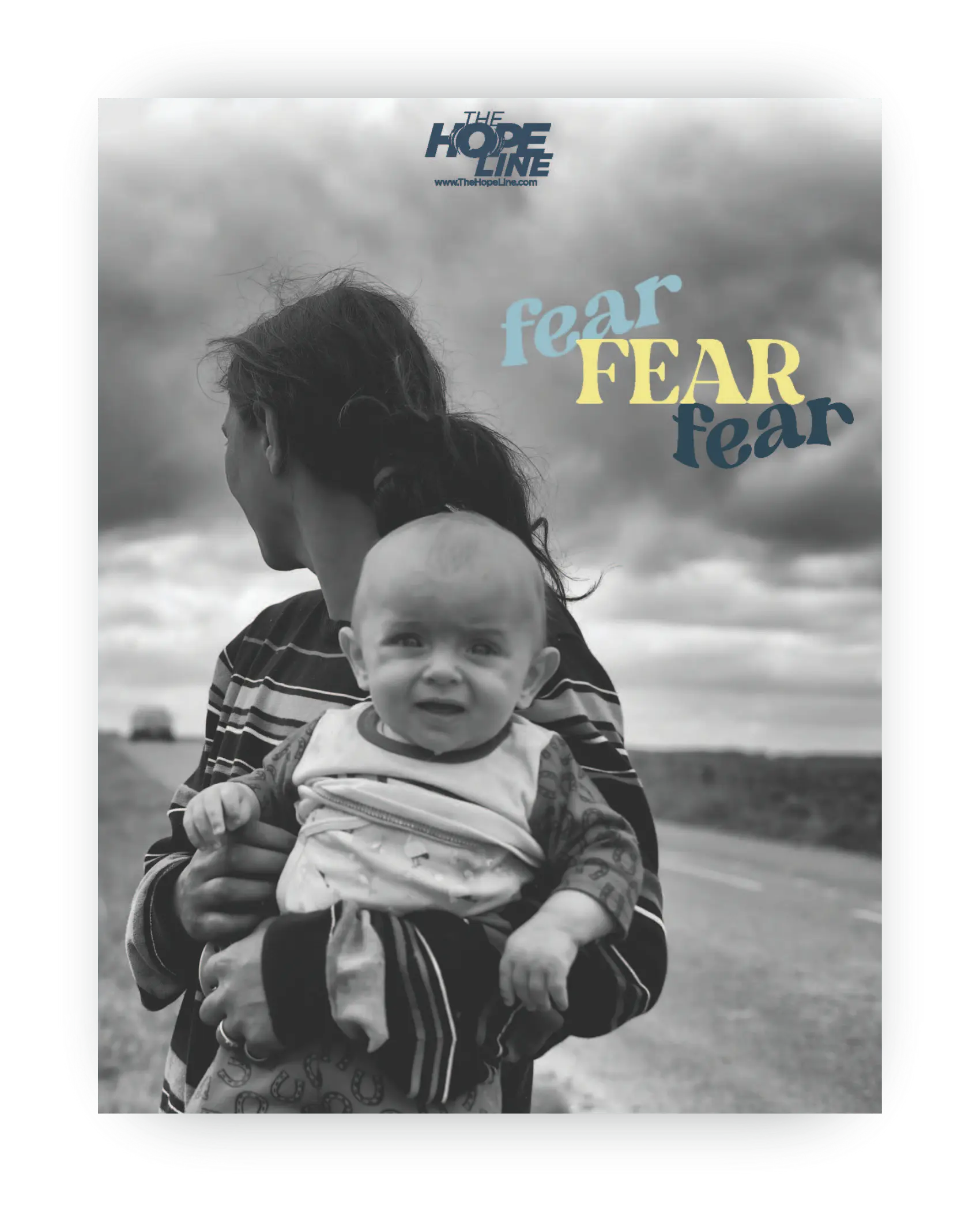
Fear is a natural, protective response — your body and mind sounding the alarm to keep you safe from danger. In its proper place, fear is healthy; it stops you from doing genuinely reckless things. The problem is when fear outgrows its job and starts running the show: when it keeps you from taking healthy risks, trying new things, pursuing your dreams, or simply living freely.
There’s a difference between feeling afraid and being controlled by fear. Everyone feels afraid sometimes. But when fear starts shrinking your world — dictating what you’ll attempt, who you’ll let close, where you’ll go — it’s moved from protector to prison guard. The good news is that this kind of fear can lose its grip. You can learn to feel the fear and not let it make your decisions for you.
What does fear-driven living feel like?
Fear running your life can be subtle — it often disguises itself as caution or practicality. You might recognize:
Avoiding opportunities or experiences because of “what if”
Staying in your comfort zone even when it’s making you miserable
A constant sense of dread or bracing for the worst
Saying no to things you actually want, out of fear
Overthinking and overplanning to feel “safe”
Looking back and realizing fear has cost you a lot
If this sounds familiar, you’re not weak or cowardly. Fear is powerful — but it’s also something you can learn to face and move through.
Why does fear take over?
Fear gets oversized for all kinds of reasons. Sometimes it’s rooted in past experiences — a failure, a rejection, a trauma — that taught your mind to expect danger. Sometimes it’s anxiety, which keeps the alarm system running even when there’s no real threat. Sometimes it grows out of low self-worth: if deep down you don’t believe you can handle things, fear of everything makes a grim kind of sense.
The tricky thing about fear is that avoidance feeds it. Every time you avoid the thing you’re afraid of, the fear gets a little stronger and your world gets a little smaller. That’s why facing fears — in manageable steps, with support — is how you shrink them. Courage isn’t the absence of fear; it’s moving forward even while you feel it. And that’s a skill anyone can build.
Want to talk it through?
A Hope Coach is here right now - free, 24/7, no judgment
You're not alone in this
You don’t have to conquer fear all at once, and you don’t have to do it alone. Talking through your fears with someone safe — a counselor, a trusted friend, a Hope Coach — can help you understand what’s underneath them and take real steps toward freedom. Naming a fear out loud often takes away some of its power.
There’s also a steadying truth worth holding: “God has not given us a spirit of fear, but of power and of love and of a sound mind” (2 Timothy 1:7). Fear may be loud, but it doesn’t get to define you, and it isn’t the deepest thing about you. For many people, faith has been exactly the thing that loosened fear’s grip — not by removing every scary thing, but by anchoring them in a love and a security that’s bigger than what they were afraid of. You’re welcome to lean into that.
Fear doesn’t have to run your life. Reach out — we’d be glad to help you take the next step.