What is
screen addiction
really?
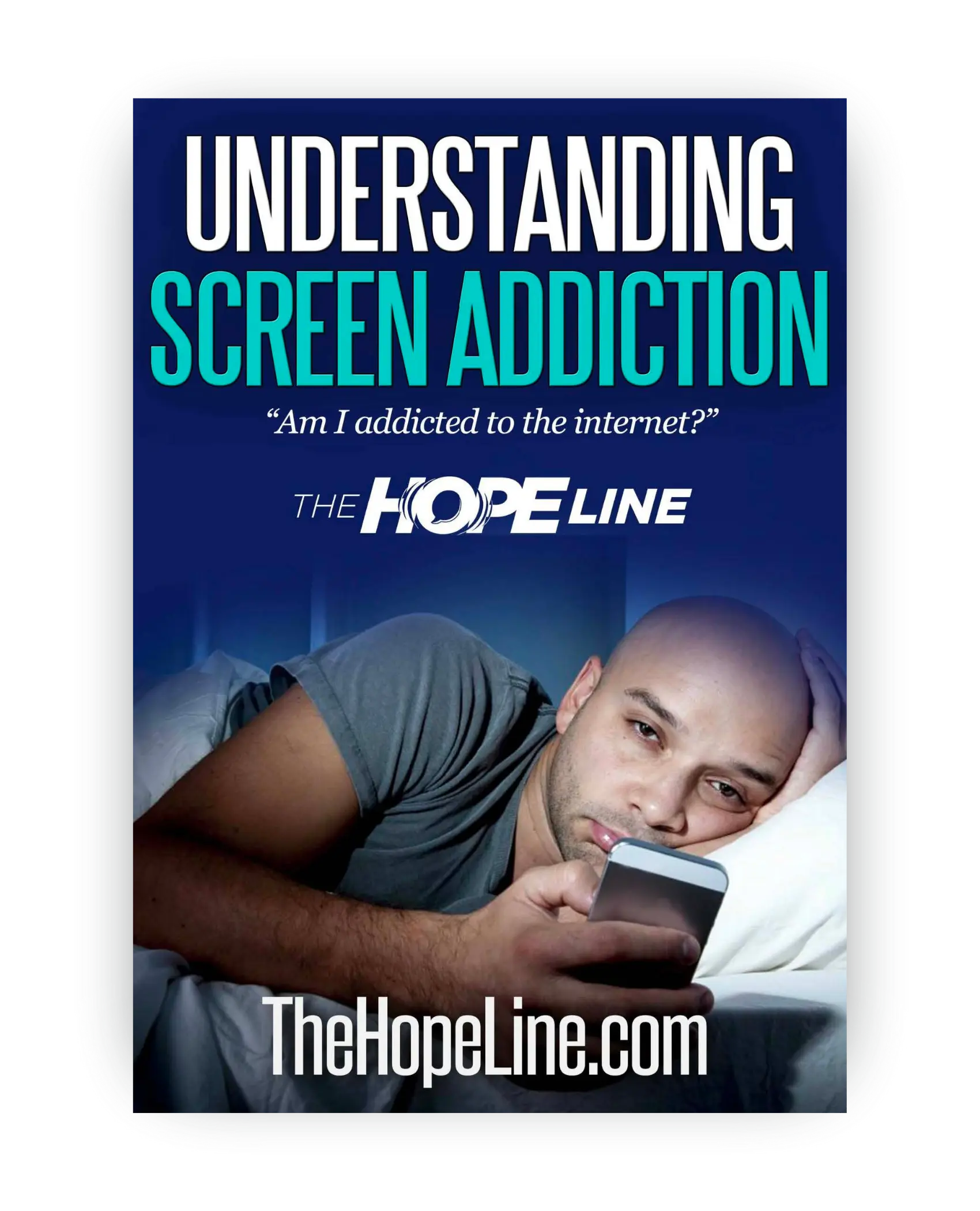
Digital addiction, or screen addiction, is when your use of phones, social media, gaming, or screens stops being a choice and starts feeling compulsive — something you reach for automatically, struggle to cut back on, and keep doing even when it’s hurting your sleep, focus, relationships, or mood. It’s not about being lazy or lacking willpower. These platforms are engineered by very smart people to capture and hold your attention as long as possible.
That’s worth saying plainly: if you feel hooked, it’s partly because you were designed to be. The endless scroll, the notifications, the little hits of reward — they tap into the same brain systems involved in other addictions. Recognizing that isn’t an excuse; it’s the first step to taking back control of something that was quietly taking control of you.
What does it feel like when you're struggling?
Some honest signs that your screen use has crossed from habit into something more:
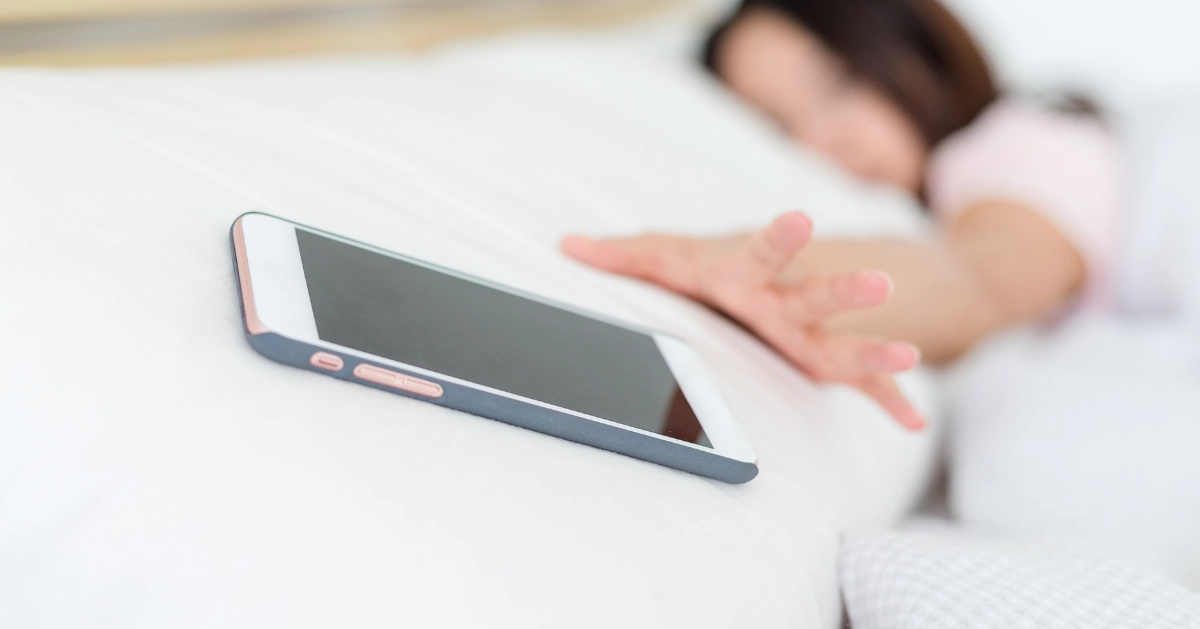
Reaching for your phone automatically, without even deciding to
Losing hours you didn’t mean to lose to scrolling or gaming
Feeling anxious, irritable, or empty when you can’t check it
Choosing screens over sleep, people, or things you care about
Comparing yourself constantly to what you see online
Trying to cut back and not being able to stick with it
If several of these fit, it doesn’t mean you’re weak — it means a powerful tool has gotten out of balance. And balance can be rebuilt.
Why is it so hard to put down?
Because it’s built that way. Apps use variable rewards (you never know what you’ll get when you refresh), social validation (likes and comments), and endless content with no natural stopping point — all of which trigger the brain’s dopamine system and keep you coming back. You’re not failing at self-control; you’re up against billion-dollar design.
Underneath the mechanics, screens also often serve a purpose — numbing boredom, escaping stress, avoiding loneliness, or filling a quiet you’d rather not sit in. That’s why simply “using less” rarely works for long. Real change usually means both setting practical limits and looking at what you’re reaching for the screen to avoid or soothe. When you meet that need another way, the grip loosens.
Want to talk it through?
A Hope Coach is here right now - free, 24/7, no judgment
You're not alone in this
Nearly everyone is wrestling with this to some degree — you’re not uniquely undisciplined. Taking back control is completely possible, often through small, practical steps: turning off notifications, creating phone-free times and spaces, finding offline things that genuinely fill you up, and being honest about what you’re using screens to avoid. Talking it through with someone, including a Hope Coach, can help.
There’s freedom-minded wisdom worth holding here: “‘I have the right to do anything,’ you say — but not everything is beneficial… I will not be mastered by anything” (1 Corinthians 6:12). You weren’t made to be ruled by a device. Many people find that faith helps them step back and ask what they actually want their attention and life to be about — and frees them to choose presence, rest, and real connection over the endless scroll. You’re welcome to explore that.
You can get your time and attention back. Reaching out for support is a great first step.