Grief – How do I stop feeling so sad?
Gretchen Lawson: One of the main things to focus on, in dealing and processing our grief, is to actually feel…


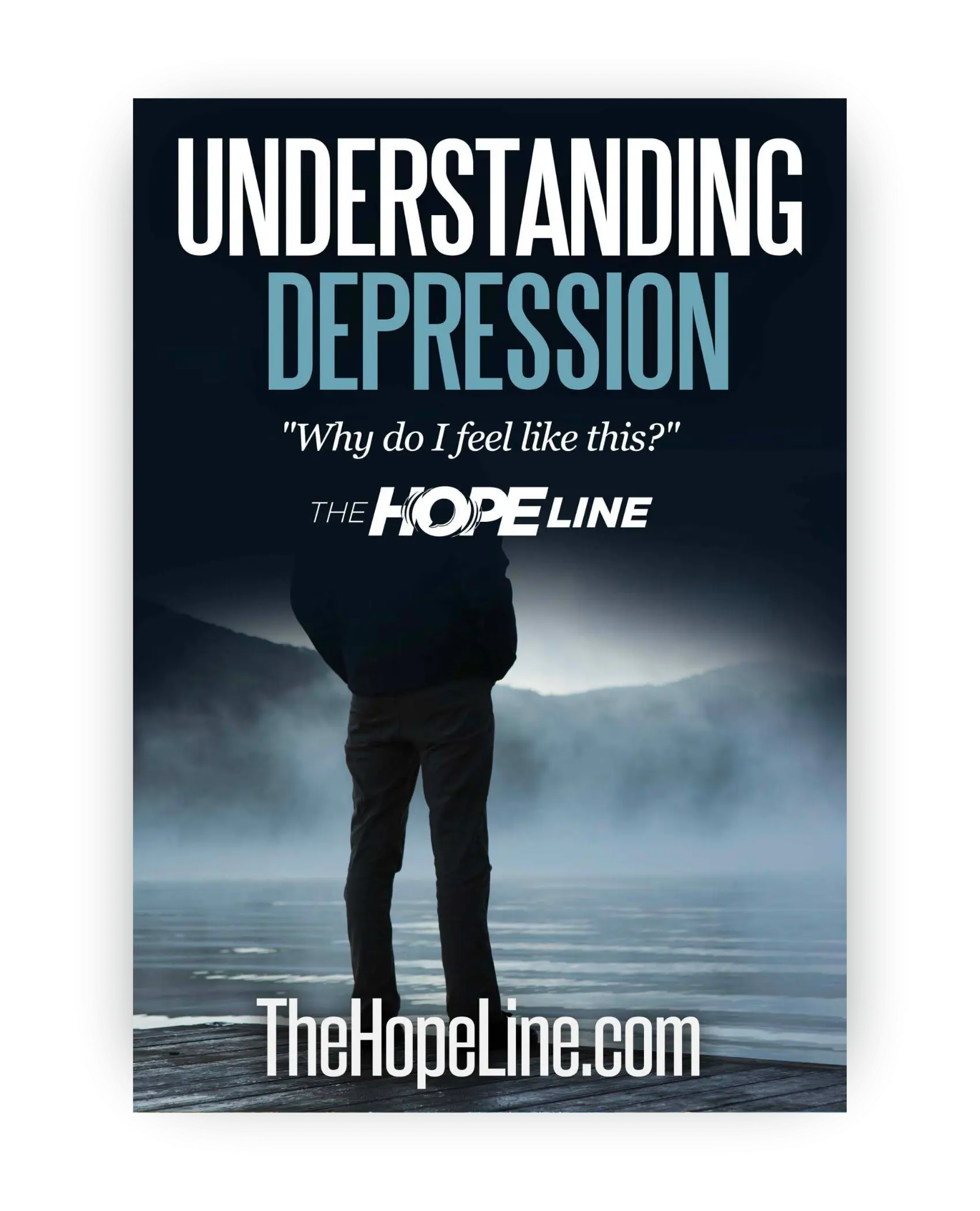
There’s rarely a single cause. Depression usually comes from a combination of factors — brain chemistry and genetics, life circumstances like loss, stress, loneliness, or trauma, and sometimes physical health issues. For some people there’s a clear trigger; for others it descends without an obvious reason, which doesn’t make it any less real.
Understanding this matters because depression lies. It tells you it’s your fault, that you’re weak, that it’ll always be this way. None of that is true. Depression is a treatable condition, not a character verdict. With the right support — which can include counseling, lifestyle changes, community, and sometimes medication — people do get better. The heaviness you feel right now is not the permanent shape of your life, even though depression insists it is.

Depression is isolating — it convinces you to withdraw and tells you no one would understand. But you are not alone in this, and you are not a burden for struggling. Reaching out to a doctor, counselor, trusted person, or Hope Coach isn’t weakness; it’s one of the most important steps toward getting better. You don’t have to have the energy to fix everything — you just have to let someone in.
If your faith feels distant or even silent right now, you’re in good company — some of the most honest words in the Bible come from people in deep despair. One of them wrote, “Why, my soul, are you downcast? … Put your hope in God” (Psalm 42:11) — not as a tidy fix, but as a stubborn, honest reaching-out in the dark. God doesn’t require you to feel okay before you come to him, and he draws near to people in exactly this kind of pain. For many, faith has been a quiet anchor when everything else felt heavy. You’re welcome to bring your honest struggle, doubts and all.
This heaviness is not the end of your story. Please reach out — we’re here, and there is real hope.
These are some of the most common questions people have about depression. If you have more questions, please feel free to reach out to a Hope Coach.