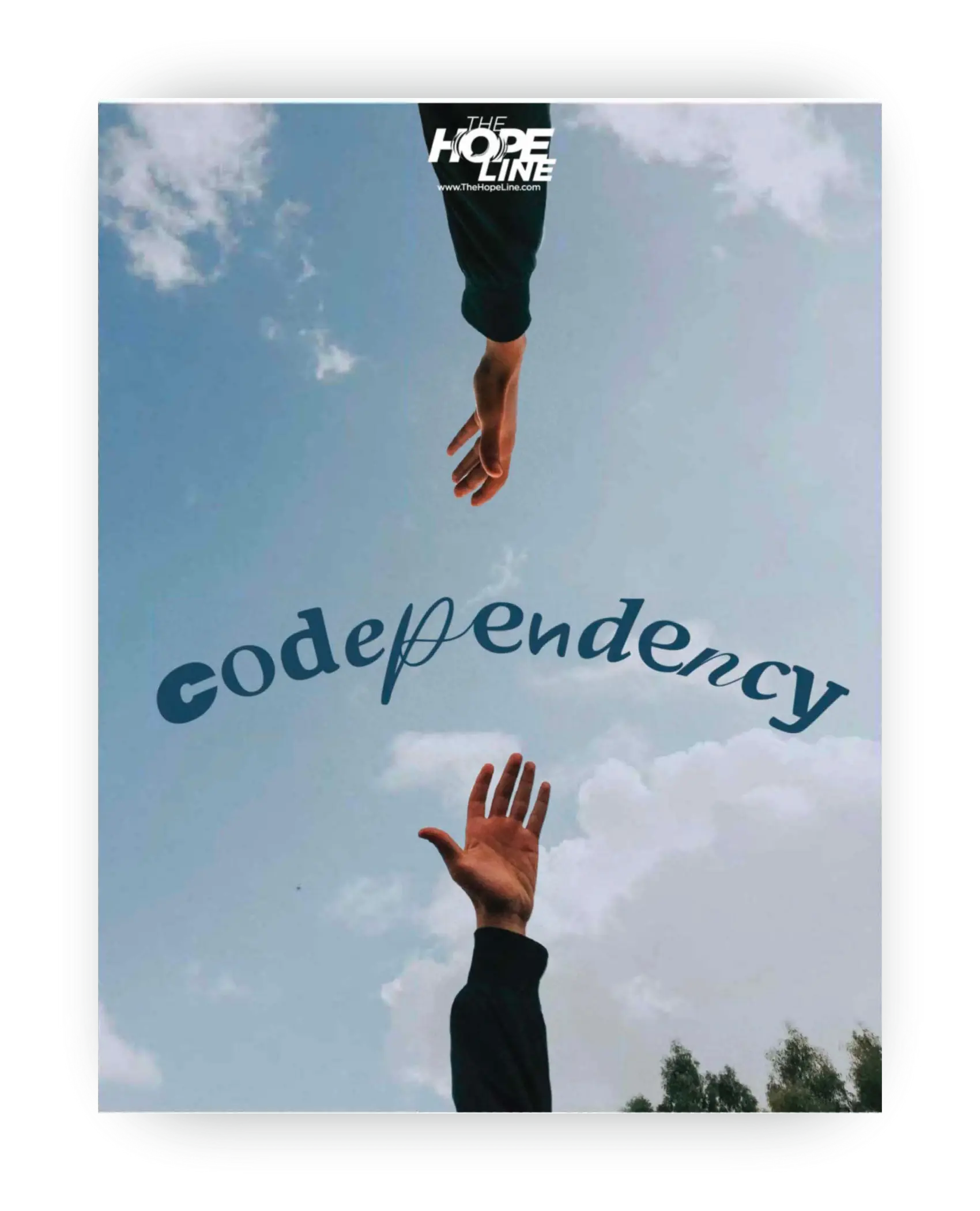
Consumed with your Boyfriend or Girlfriend? That’s love addiction.
"Love addiction has an impact on your mental health because: 1. You feel desperate and alone if you are not…


Codependency usually has roots in earlier life. Many people learned it growing up in a home where they had to take care of a parent, keep the peace, or earn love by being good and useful. When a child’s needs come second to managing chaos, they often learn that their value lies in what they do for others, not in who they are.
It can also grow out of low self-worth, fear of abandonment, or relationships where being the “fixer” felt like the only way to stay safe and connected. None of this means you’re weak or that caring is bad. It means a survival strategy from the past is running in the present, where it costs you more than it protects you. Seeing that clearly is the beginning of change.

Learning that your needs matter too — that you’re allowed to have boundaries, to say no, to be a person and not just a caretaker — can feel uncomfortable and even selfish at first. It isn’t. It’s healthy, and it’s something many people learn with support. Talking to a counselor or a Hope Coach can help you start to untangle where you end and others begin.
There’s a deeper rest available here, too. So much of codependency is the exhausting work of trying to be enough for everyone. The Bible offers a different foundation: “Truly my soul finds rest in God alone” (Psalm 62:1). Your worth doesn’t have to be earned by holding everyone together — it’s already settled by a God who loves you for who you are, not what you do. For many people, that’s been the ground that finally let them set the weight down. You’re welcome to explore it at your own pace.
You’re allowed to matter, too. Reaching out for help with this is a gift you give yourself.
These are some of the most common questions people have about mental health. If you have more questions, please feel free to reach out to a Hope Coach.