RELATIONSHIPS

Is my boyfriend or girlfriend cheating?

Whatever you're carrying right now, you don't have to carry it alone. Let's talk about what you're going through.
THE BASICS

What is cheating really?

Cheating is a breach of trust in a relationship — usually emotional, physical, or both — where one person crosses a line the relationship was built on. It isn’t always as obvious as a physical affair; it can be secret messaging, an emotional connection kept hidden, or anything one partner does behind the other’s back that they’d be hurt to discover. The exact line varies between couples, but the core is the same: broken trust and broken honesty.

If you’re here because you suspect cheating or you’ve discovered it, know that the storm of emotions you’re feeling is completely valid. Betrayal in a relationship can be one of the most disorienting kinds of pain, because the person who hurt you is the same person you trusted to have your back. That’s a lot to hold.
What does this feel like?
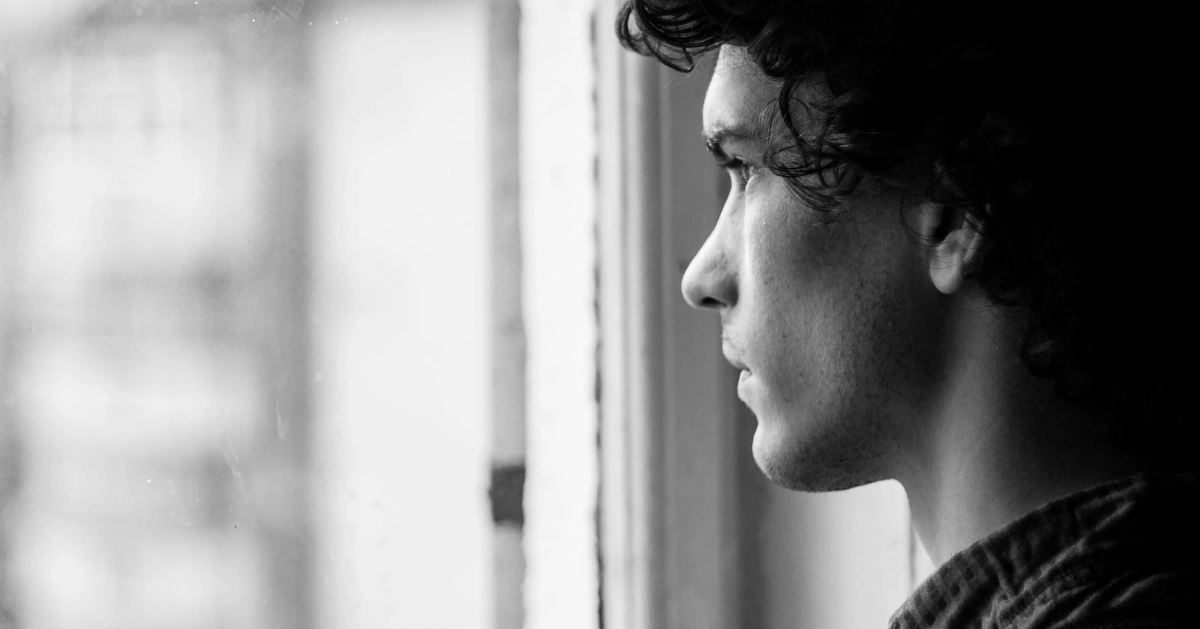
Whether you’re suspicious or certain, betrayal does a number on you. You might be experiencing:
Replaying interactions and questioning what’s real
Devastation, anger, and numbness that cycle without warning
Blaming yourself or wondering if you’re “not enough”
Trouble eating, sleeping, or concentrating
Feeling foolish, humiliated, or like you can’t trust your own judgment
Struggling to know whether to stay, leave, or confront them
All of this is a normal response to a real wound. You’re not crazy, and you’re not overreacting. Betrayal hurts because the relationship mattered.
Why does cheating happen?
People cheat for many reasons — unmet needs, immaturity, opportunity, avoidance of hard conversations, their own insecurity or brokenness, or simply selfish choices. Here’s what’s crucial to hold onto: even when a relationship had real problems, the choice to cheat was the cheater’s choice. You did not make them do it. Betrayal is never something the betrayed person caused.

Understanding the why can be useful if you’re trying to decide what comes next, but it’s not the same as excusing it. Some relationships do heal after infidelity — with honesty, accountability, real change, and usually help — and some don’t, and shouldn’t. There’s no single right answer, and you don’t have to decide everything at once. What you do need is clear-eyed honesty and people in your corner.
Want to talk it through?
A Hope Coach is here right now - free, 24/7, no judgment
You're not alone in this

If you’re carrying the pain of being cheated on, please don’t carry it in silence. Betrayal can make you want to hide out of shame that was never yours to hold — but you don’t have to. Talking honestly with someone safe, whether that’s a friend, a counselor, or a Hope Coach, helps you find solid ground again and think clearly about what’s next.

There’s a steadiness available even when the ground feels gone. The Bible offers an invitation for exactly these moments: “Cast your cares on the Lord and he will sustain you” (Psalm 55:22) — a verse written, fittingly, by someone reeling from betrayal himself. God doesn’t minimize what happened to you, and he isn’t asking you to pretend you’re fine. For many people, his nearness has been what held them together while everything else felt shaky. You’re welcome to lean on that, no matter where your faith is right now.

Your worth was never up for debate, no matter what someone else chose. Reach out — you don’t have to face this alone.


FAQ

Frequently asked questions

These are some of the most common questions people have about cheating. If you have more questions, please feel free to reach out to a Hope Coach.

What are the signs my partner is cheating?
Common signs include sudden secrecy with their phone, unexplained absences, emotional distance, changes in routine or appearance, defensiveness, or your own persistent gut feeling that something’s off. None of these prove anything on their own, but a cluster of them is worth an honest, direct conversation rather than silent suspicion.
Is it my fault my partner cheated?
No. Relationships have two people and real issues can exist, but the decision to cheat is always the cheater’s choice and responsibility. You did not cause someone else’s betrayal. Blaming yourself is a common reflex — and an unfair one.
Should I stay or leave after being cheated on?
There’s no universal right answer — it depends on the situation, whether there’s genuine accountability and change, and what you need to be safe and whole. Some relationships heal after infidelity with honesty and help; others shouldn’t continue. You don’t have to decide immediately, and you deserve support while you figure it out.
How do I heal after being cheated on?
Let yourself grieve and feel the anger — it’s valid. Lean on safe people, avoid isolating, and consider counseling to work through the betrayal trauma. Rebuilding trust (in others and your own judgment) takes time. Be patient and gentle with yourself through it.
What does the Bible say about forgiveness after cheating?
Scripture takes both betrayal and forgiveness seriously. Forgiveness, biblically, is about releasing bitterness for your own freedom — it does not require staying in an unsafe or unrepentant situation, and it isn’t the same as instant trust. It’s a process, often a long one. A Hope Coach can help you think through what that looks like for you.
Does watching porn count as cheating?
Yes — pornography use does count as a form of cheating, even though it's often treated as harmless. Here's why: the people on screen are real human beings made in God's image, not objects, and watching porn means giving sexual attention and intimacy to someone other than your partner. It also almost always involves secrecy, breaks trust, and trains the heart and mind in ways that erode real intimacy in a relationship. That's not a small thing. If you've discovered your partner is viewing porn — or you're wrestling with your own use — the pain and sense of betrayal it causes are valid, and not an overreaction. The good news is that this is a struggle many couples have walked through and come out stronger on the other side, with honesty, real accountability, and usually some help. A Hope Coach would be glad to talk and pray it through with you.

Take this with you.

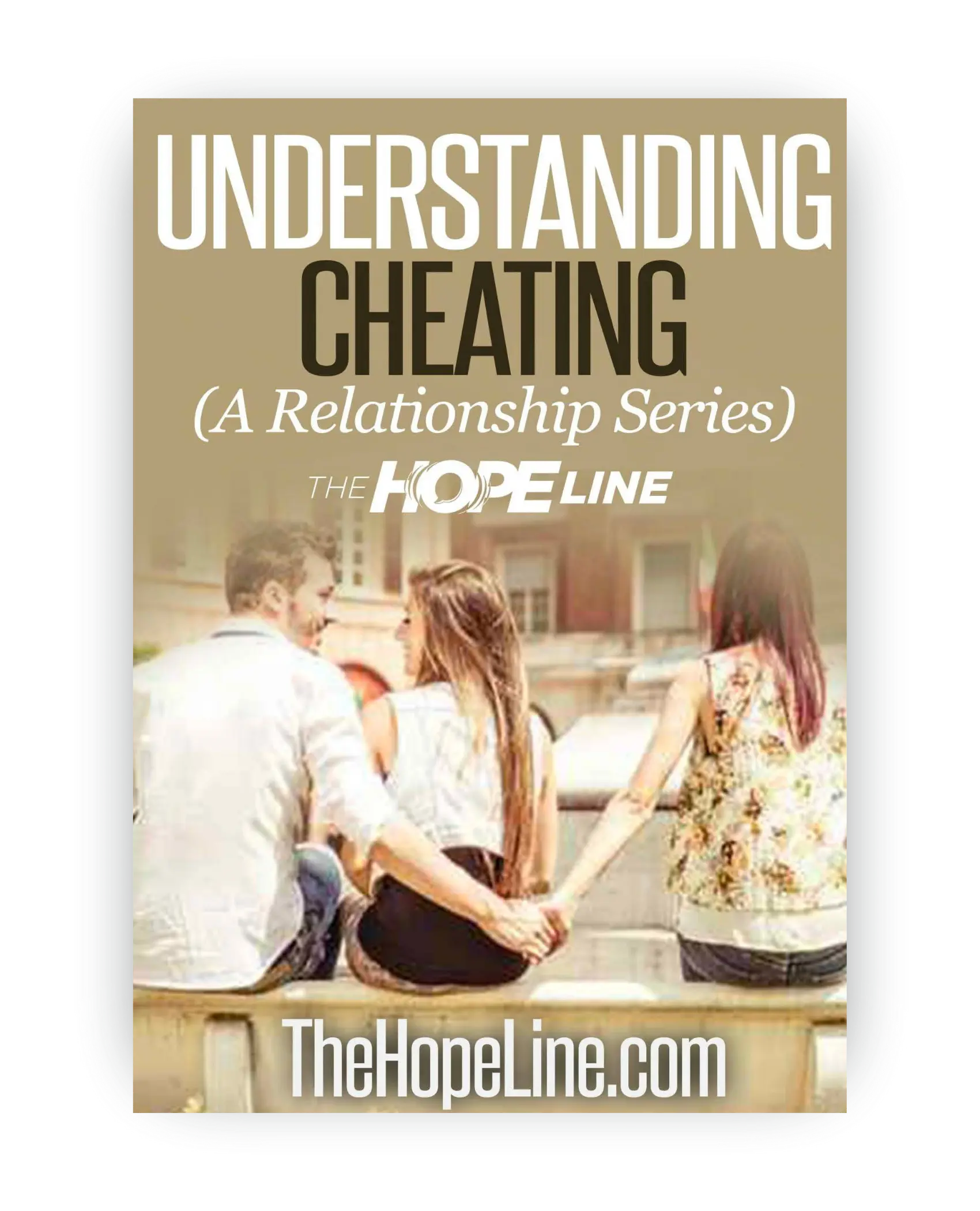
Betrayal in a relationship is one of the deepest hurts. This free guide helps you process the pain, think clearly about what’s next, and find a way forward.
RESOURCES FOR YOU

More to explore

Helpful articles, resources, guides, and related topics.

Tired of The Problem?

Try the Solution.

Privacy Policy / Terms of Use
© 2026 TheHopeLine, Inc. Registered 501(c)(3). EIN: 20-1198064